
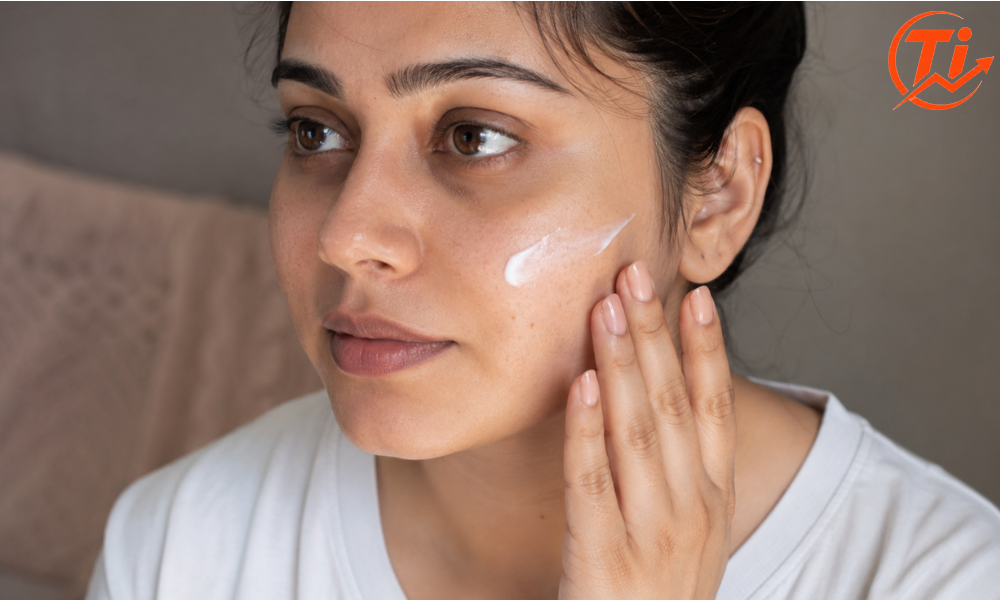
If you have sensitive skin, you already know the drill. A cream promises “gentle” and “soothing” on the label, and twenty minutes later your cheeks are tight, red, or stinging. So when it comes down to Nivea versus Aveeno for sensitive skin, the label alone won’t tell you what you need to know. You have to look at what’s actually inside the tin and the bottle.
I went through both brands’ most popular sensitive skin products, checked the ingredient lists line by line, and tested a few of them myself over a few weeks. Here’s what actually separates them, and which one is more likely to work for your skin specifically.
Nivea vs Aveeno for Sensitive Skin
Aveeno is generally the gentler choice for sensitive, reactive, or eczema-prone skin because most of its sensitive skin lines are fragrance-free and built around colloidal oatmeal, an ingredient recognized by the FDA as a skin protectant. Nivea can still work well for sensitive skin that is mainly dry rather than reactive, particularly its Sensitive range, but several of its classic products still contain added fragrance, which is one of the most common triggers for irritation.
That’s the short version. The longer version depends on which specific product you’re looking at, and what “sensitive” actually means for your skin.
What “Sensitive Skin” Actually Means
Sensitive skin isn’t really a skin type the way oily or dry skin is. It’s more of a reaction pattern. Your skin barrier, the outermost layer that keeps moisture in and irritants out, is thinner or more easily disrupted than average.
When that barrier is compromised, water escapes faster than it should. That’s called transepidermal water loss, and it’s a big part of why sensitive skin feels tight, flaky, or uncomfortable even when you’re moisturizing regularly.
Sensitive skin can show up in a few different ways:
- Redness or flushing after using a new product
- Stinging or burning, especially around the eyes or mouth
- Itching that isn’t tied to dryness alone
- Reactions specifically to fragrance, alcohol, or certain preservatives
- Underlying conditions like eczema, rosacea, or contact dermatitis that make the skin more reactive overall
This matters because “sensitive skin” caused by mild dryness responds differently to a moisturizer than “sensitive skin” caused by eczema or rosacea. Nivea and Aveeno end up serving those two situations differently, which is really the heart of this comparison.
Nivea’s Approach to Sensitive Skin
Nivea built its reputation on rich, deeply moisturizing creams. The classic blue tin, Nivea Creme, has been around for over a century, and it’s still one of the most recognizable moisturizers in the world. Its main job is locking moisture into the skin using glycerin as a humectant, paired with heavier, occlusive ingredients that sit on top of the skin and slow down water loss.
That thick, protective texture is genuinely effective for dry skin, especially in cold weather or on rough patches like elbows and knees. The problem for sensitive skin is that several of Nivea’s most popular products, including the original Creme and Nivea Soft, still list fragrance (Parfum) on the ingredient panel, sometimes with specific fragrance allergens like alpha-isomethyl ionone named separately. Fragrance is one of the most common irritation triggers for reactive skin, even in small amounts.
Nivea does address this with its Sensitive range, which reduces or removes added fragrance and leans more on panthenol and vitamin E alongside glycerin. This line is a meaningfully better option for reactive skin than the standard tins, though it’s still worth reading the label on each specific product, since formulations vary by region and product line.
Where Nivea works well for sensitive skin:
- Skin that’s mainly dry and tight, without frequent redness or itching
- Cold weather or overnight use on hands, elbows, and feet
- People who tolerate fragrance without a reaction
Where Nivea may fall short:
- Skin that reacts to fragrance specifically
- Active eczema or rosacea flare-ups
- Facial use for highly reactive skin, where thicker, occlusive textures can feel heavy or trap heat
Aveeno’s Approach to Sensitive Skin
Aveeno took a different starting point. Instead of building a general moisturizer brand and adding a sensitive skin line later, Aveeno was developed specifically around soothing irritated, compromised skin from the beginning. Its defining ingredient is colloidal oatmeal, which is finely milled oat processed into a form the skin can actually absorb.
Colloidal oatmeal has anti-inflammatory properties and is recognized by the FDA as an over-the-counter skin protectant, which gives it more regulatory backing than most trendy skincare ingredients you’ll see marketed today. It works differently than Nivea’s approach. Rather than mainly sealing moisture in, it actively calms irritation and supports barrier repair.
Aveeno’s product range reflects this focus. Aveeno Daily Moisturizing Lotion is a lightweight, everyday option. Aveeno Eczema Therapy Moisturizing Cream pairs colloidal oatmeal with ceramide NP, is steroid-free, and is formulated without fragrance, which makes it a common recommendation for eczema-prone and highly reactive skin. Aveeno Calm + Restore is aimed more at sensitive facial skin specifically, combining lighter hydration with soothing actives.
Across its sensitive-focused lines, Aveeno consistently offers more fragrance-free options than Nivea does. That consistency is the single biggest reason it tends to be the safer starting point for people whose skin reacts easily.
Where Aveeno works well for sensitive skin:
- Reactive, itchy, or easily irritated skin
- Eczema, rosacea, or barrier-compromised skin
- Daytime or facial use, since textures tend to be lighter and absorb faster
Where Aveeno may fall short:
- Very dry skin that needs heavier, longer-lasting occlusion, especially overnight or in harsh winter conditions
- Slightly higher price point compared to Nivea’s core range
Nivea vs Aveeno: Side-by-Side Comparison
| Factor | Nivea | Aveeno |
| Core philosophy | Seal in moisture with rich, occlusive creams | Calm irritation and support the skin barrier |
| Signature ingredient | Glycerin, panthenol | Colloidal oatmeal |
| Fragrance-free options | Limited to the Sensitive line, formulation varies by product | Widely fragrance-free across sensitive-focused lines |
| Best for | Dry, non-reactive skin, cold weather use | Reactive, itchy, or eczema-prone skin |
| Texture | Thick, occlusive | Lighter, faster-absorbing |
| Face suitability | Better suited to body use for reactive skin | Generally more suitable for sensitive facial skin |
| Typical price point | Lower | Slightly higher |
Ingredients Sensitive Skin Should Watch For
Regardless of which brand you lean toward, a few ingredient categories cause the most trouble for reactive skin:
- Fragrance (Parfum) is the most common trigger. Even “light” or “clean” fragrance can cause stinging or redness in sensitive users. Specific fragrance allergens, like alpha-isomethyl ionone, are sometimes listed separately on the label and worth checking for if you know you react to scented products.
- Alcohol denat can be drying and irritating in higher concentrations, though it’s less common in body moisturizers than in toners or gel-based products.
- Essential oils are sometimes marketed as “natural” but can be just as irritating as synthetic fragrance for reactive skin.
- Certain preservatives, while necessary to keep a product safe to use, can occasionally trigger reactions in people with known preservative sensitivities. If you’ve had a reaction before, it’s worth asking a dermatologist which preservative was likely responsible.
Reading the full ingredient list rather than relying on marketing terms like “gentle” or “for sensitive skin” is the most reliable way to avoid a repeat reaction.
How to Actually Test a New Moisturizer on Sensitive Skin
Marketing claims aside, the only real way to know how your skin will react is to test it yourself, carefully. Here’s the approach that works well in practice:
- Apply a small amount of the product to your inner forearm or behind your ear.
- Wait 24 to 48 hours without washing the area, checking periodically for redness, itching, or bumps.
- If there’s no reaction, apply a small amount to a less visible area of your face, like along the jawline, and wait another 24 hours.
- If that’s clear, introduce the product into your routine gradually, using it every other day for the first week before moving to daily use.
- Keep a simple note of what you tried and how your skin responded. Sensitive skin often has patterns that aren’t obvious until you look back over a few weeks.
I’ve used this process myself when switching between the Nivea Sensitive line and Aveeno’s fragrance-free options. What stood out was how differently my skin responded within days. The Nivea Sensitive cream felt noticeably richer and more comforting on dry patches around my knuckles, but I didn’t reach for it on my face during a mild flare-up. The Aveeno Eczema Therapy cream absorbed faster, felt less heavy, and was what I used on my face and neck when my skin was actively reacting to something else that week. Neither one “won” outright. They just did different jobs.
Nivea vs Aveeno for Specific Skin Concerns
For eczema-prone skin: Aveeno Eczema Therapy tends to be the stronger choice, thanks to the combination of colloidal oatmeal and ceramides, along with a fragrance-free, steroid-free formula.
For very dry but non-reactive skin: Nivea Creme or Nivea Soft can work well, particularly for hands, elbows, and other rough patches that need heavier occlusion overnight.
For sensitive facial skin: Aveeno Calm + Restore or a fragrance-free Aveeno lotion is usually more comfortable than Nivea’s classic, thicker formulas, which can feel heavy or occasionally clog pores on the face for some skin types.
For sensitive, oily, or acne-prone skin: Lighter, fast-absorbing formulas tend to perform better than heavier occlusive creams. Aveeno’s lighter lotions are generally a safer starting point here, though patch testing still applies.
For baby or child sensitive skin: Both brands offer dedicated baby and kids’ lines with lower fragrance and gentler formulations, but always check the specific product label, since baby-focused formulas differ from the adult sensitive skin ranges.
Price and Availability
Nivea generally sits at a lower price point and is widely available at most drugstores, supermarkets, and pharmacies, with particularly strong availability across Europe, the UK, and parts of Asia. Aveeno tends to run slightly higher per ounce, especially for the Eczema Therapy and Calm + Restore lines, and has especially strong distribution in the US. Both are considered accessible, drugstore-tier options compared to prescription-strength or dermatologist-office skincare, so cost shouldn’t be the deciding factor for most people.
Read More: https://trendinginsight.co.uk/louise-minchin-husband-cancer/
FAQs
Is Nivea good for sensitive skin?
Nivea can work well for sensitive skin that leans dry rather than reactive, especially the Sensitive line. Some classic Nivea products still contain fragrance, so it’s worth checking the label if you know fragrance triggers your skin.
Is Aveeno the best moisturizer for sensitive skin?
Aveeno is one of the more consistently gentle options for sensitive skin, largely because of its fragrance-free, colloidal oatmeal-based formulas. Whether it’s the single best option depends on your specific skin concern and any conditions like eczema or rosacea.
What ingredients should sensitive skin avoid?
Added fragrance (Parfum), high concentrations of alcohol denat, certain essential oils, and specific preservatives are the most common irritants for sensitive skin. Checking the full ingredient list is more reliable than trusting marketing claims alone.
Is colloidal oatmeal good for sensitive skin?
Yes. Colloidal oatmeal has anti-inflammatory properties, helps reduce itching, and is recognized by the FDA as a skin protectant, making it a common ingredient in sensitive skin and eczema-focused moisturizers.
Does Nivea cream contain fragrance?
Several classic Nivea products, including the original Creme and Nivea Soft, do contain fragrance. The Nivea Sensitive line reduces or removes it, but formulations can vary, so checking the specific product label is the safest approach.
Which is better for eczema, Nivea or Aveeno?
Aveeno is generally the better choice for eczema-prone skin, particularly the Eczema Therapy line, which combines colloidal oatmeal with ceramides in a fragrance-free, steroid-free formula.
Is Aveeno hypoallergenic?
Many Aveeno products, especially in the Eczema Therapy and sensitive skin ranges, are formulated to be fragrance-free and less likely to trigger common allergens, though no product can be guaranteed hypoallergenic for every individual.
Can sensitive skin use Nivea Creme on the face?
It’s possible for mild dryness, but Nivea Creme’s thick, occlusive texture and fragrance content make it less ideal for reactive facial skin compared to lighter, fragrance-free options designed specifically for the face.
Final Verdict
If your sensitive skin mostly means dryness, tightness, and the occasional rough patch, Nivea’s Sensitive line or classic Creme can genuinely work well, especially for body use in colder months. If your skin reacts more often with redness, itching, or flare-ups, or if you’re managing eczema or rosacea, Aveeno’s fragrance-free, oatmeal-based formulas are the more consistently reliable choice.
The best way to know for sure is to pick one fragrance-free option from each brand, patch test both, and give your skin a couple of weeks to show you what it actually prefers. Your skin’s reaction will tell you more than any label ever will.